Losing Weight… and Your Hair?
What to Know About Hair Loss on a GLP-1
You are losing the weight. Your clothes are fitting better. You are feeling better about yourself. Maybe you are finally seeing changes you have been working toward for years.
And then one fine day, you look down in the shower and think…
Why is there so much hair down there?
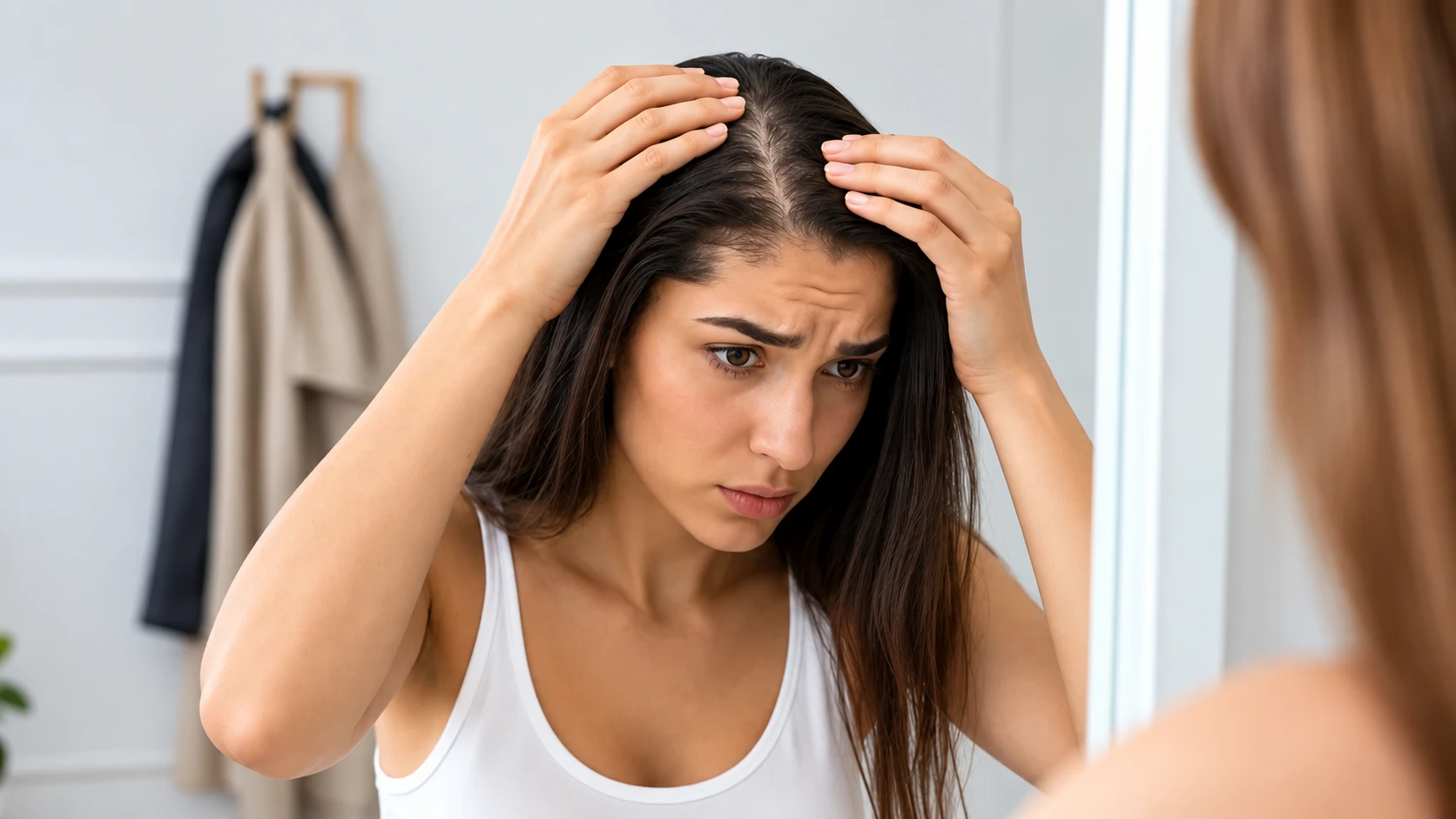
Then you notice it in your brush. On your shirt. On the bathroom counter. And suddenly, instead of celebrating your weight loss, you are standing in front of the mirror examining your hairline from six different angles.
Naturally, the GLP-1 gets blamed.
After all, hair loss has been reported with some GLP-1–based weight-loss medications. But the story is a little more complicated than “I started a GLP-1 and it made my hair fall out.”
In many cases, the medication itself may not be the primary problem. Instead, the shedding appears to be associated with what is happening while you are losing weight—particularly when weight comes off quickly or when your nutritional intake drops significantly.
Let me explain.
First, You Probably Aren't Going Bald
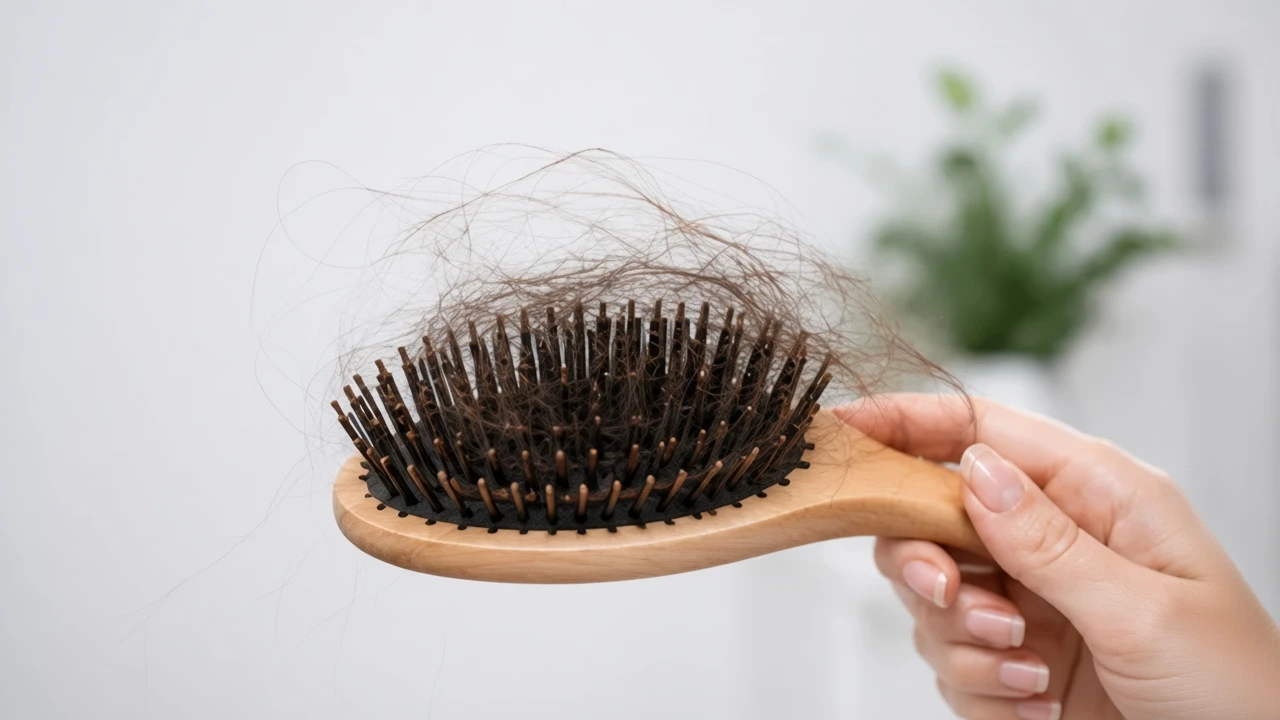
The type of hair loss commonly seen during significant or rapid weight loss is called telogen effluvium.
That sounds terribly dramatic. It usually isn't.
Your hair naturally cycles through different phases of growth, transition, rest, and shedding. Normally, those hairs aren't all operating on the same schedule, so you don't really notice the process.
But physical stressors—including rapid weight loss, illness, surgery, major hormonal changes, significant calorie restriction, and nutritional deficiencies—can cause a larger-than-normal number of hairs to enter the resting phase around the same time.
A few months later, those hairs begin to shed.
And because they're doing it together, you notice.
Your body is remarkably good at deciding where its resources need to go. When energy or nutrients become limited, it prioritizes the things required to keep you alive and functioning: your heart, brain, organs, immune system, tissue repair, and metabolism.
Hair growth?
Your body considers that optional.
Why Can This Happen During GLP-1 Weight Loss?

GLP-1–based medications can dramatically change appetite and food intake. For many people, that's part of why they work so well.
You're less hungry. You become full faster. Food noise decreases. Portions get smaller.
All good things—until less food accidentally becomes not enough nutrition.
Someone who previously ate 2,000 or more calories per day may suddenly find herself eating 900 or 1,000 without really trying. Protein intake may fall. Meals may get skipped. Foods that once sounded appealing may suddenly become difficult to finish.
Add rapid weight loss to that equation and the body can experience a significant physiologic change in a relatively short period of time.
That is where we start paying attention to things like:
Total calorie intake
Protein intake
Iron and ferritin
Vitamin D
Zinc
B vitamins
Overall nutrient variety
Hormonal changes, thyroid dysfunction, illness, stress, certain medications, and other medical conditions can also contribute to hair loss—which is why we shouldn't automatically blame every loose strand on a GLP-1.
The Protein Conversation Matters
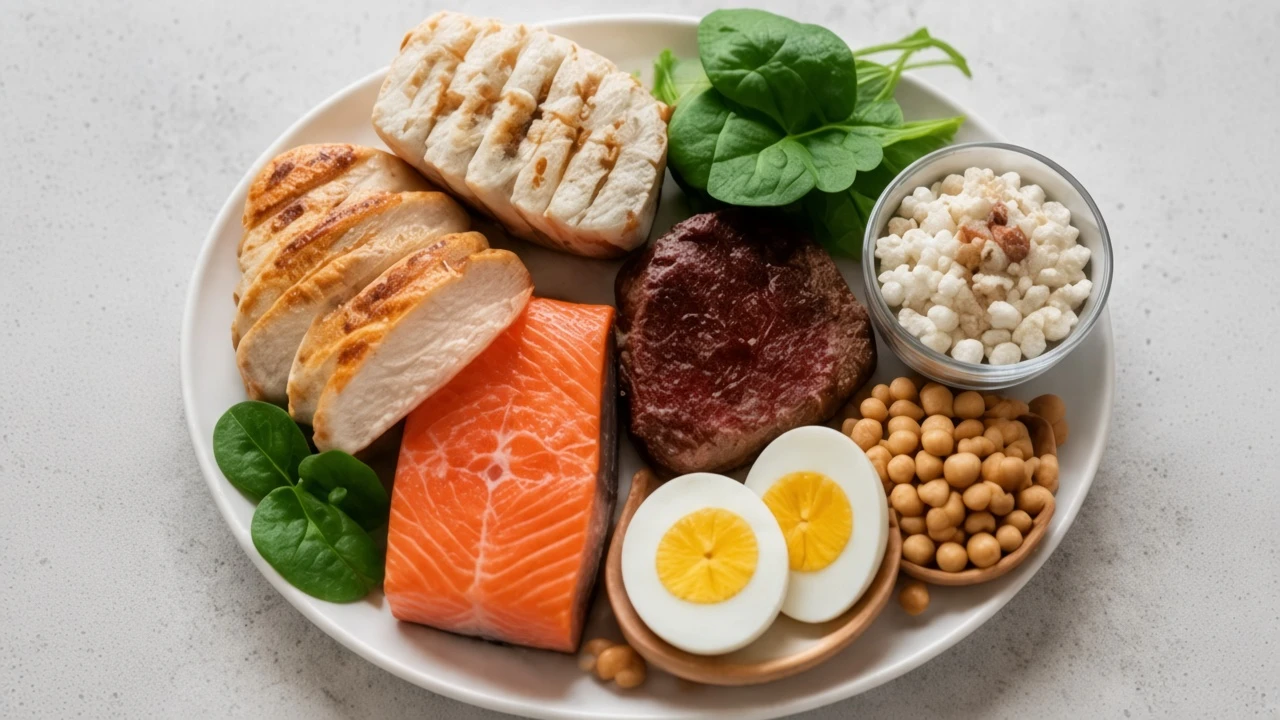
If you've been around Arc for any length of time, you probably knew this was coming.
We need to talk about protein.
Hair is primarily composed of a protein called keratin. If you're consistently eating too little protein while losing weight, your body has to decide where the protein you are eating is most needed.
And once again, your vital organs win over your ponytail.
Adequate protein during weight loss isn't important only because of your hair. It helps preserve lean muscle, supports recovery and immune function, improves satiety, and provides amino acids needed throughout the body.
This is one reason we don't want GLP-1 weight loss to become a contest to see how little you can eat.
The goal isn't simply to make the number on the scale smaller.
So, How Do We Minimize Hair Shedding?
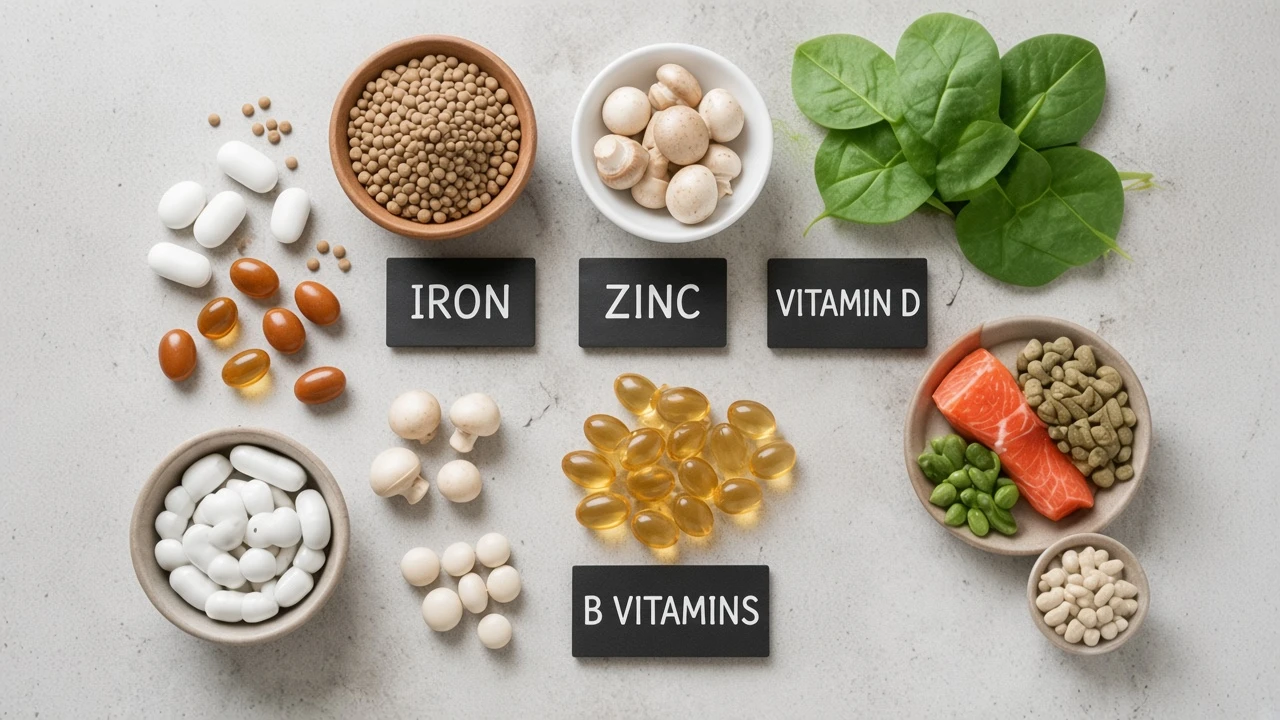
The answer isn't a magical hair gummy.
Sorry.
It starts with making sure your body has what it needs.
Eat enough.
- Weight loss requires an energy deficit, but a larger deficit isn't automatically better. Extremely low intake and very rapid weight loss can place additional stress on the body.
- We want intentional weight loss—not accidental undernourishment.
Support the whole hair-building process.
- Vitamin C helps support collagen synthesis. Zinc and copper participate in normal tissue and follicle function. Essential fatty acids and amino acids also contribute to healthy skin and hair.
- Translation?
- Your hair would really prefer an actual meal.
Prioritize protein.
- Protein should have a place at every meal. Eggs, fish, poultry, lean meats, beans, lentils, cottage cheese, Greek yogurt, tofu, and other protein-rich foods can help you meet your needs even when your appetite is smaller.
- If you're taking a GLP-1 and struggling to eat enough, the question shouldn't just be, “How many calories did I eat today?”
- Ask:Did I give my body enough nutrition today?
- Those are not always the same thing.
Don't forget micronutrients.
- Iron, vitamin D, zinc, B vitamins, vitamin C, copper, and other nutrients all play roles in normal hair growth and follicle function.
- But more isn't necessarily better.
- Taking handfuls of supplements without knowing whether you actually need them isn't the answer either. Some nutrients can cause problems when taken in excess, and hair loss can have causes that supplementation won't fix.
- Food comes first. When deficiencies are suspected, appropriate lab testing and targeted supplementation make much more sense than guessing.
When Does the Shedding Start?
Here is the frustrating part: hair operates on a delay.
Telogen effluvium often becomes noticeable two to three months after the event that triggered it. That means the shedding you notice today may reflect rapid weight loss, illness, stress, inadequate nutrition, or another change that happened weeks or months ago.
This is also why correcting the problem doesn't stop the shedding tomorrow.
Hair follicles need time to cycle back into active growth.
Once the underlying trigger is addressed, shedding generally begins to improve over the following months. Visible regrowth can take several months, and returning to your previous fullness may take six months or longer.
When Hair Loss Deserves a Closer Look

Not every case of hair loss during weight loss is telogen effluvium.
If your hair loss is severe, continues to worsen, persists beyond several months, occurs in patches, involves scalp irritation or scarring, or you notice other symptoms, it deserves further evaluation.
We may need to look beyond your medication and consider things like thyroid function, iron status, anemia, hormonal changes, autoimmune conditions, medications, chronic illness, or other nutritional deficiencies.
And if you already had thinning hair before beginning weight loss, the change in your body may simply make an underlying hair-loss condition more noticeable.
The Arc Wellness Approach
At Arc Wellness, we don't believe successful weight loss should be measured only by pounds lost.
We care about what is happening to the whole person while those pounds are coming off.
Are you maintaining muscle? Are you eating enough protein? Are you getting adequate nutrients? How is your energy? How are you sleeping? Are your hormones and thyroid optimized? Are there deficiencies developing that we need to address?
And yes…
How is your hair?
GLP-1 medications can be incredibly useful tools, but medication is only one part of a successful weight-loss program. Nutrition, strength, metabolic health, appropriate supplementation, laboratory monitoring, and sustainable habits matter too.
Because losing weight shouldn't mean losing the things you wanted to keep.
Especially your hair.
Don't let this shed light on your confidence. Let's get to the root of it.
Hormones, stress, nutrition, thyroid, hair loss rarely has one cause. Our physician-led team looks at the whole picture.
Schedule your Arc Wellness consultation.Frequently Asked Questions
Not usually in a direct way. Most GLP-1–related hair shedding is telogen effluvium, a temporary shedding pattern triggered by rapid weight loss and reduced nutritional intake rather than the medication itself.
Telogen effluvium is a temporary, diffuse hair shedding that happens when a physical stressor such as rapid weight loss, illness, surgery, or nutritional deficiency pushes more hairs than normal into the resting (telogen) phase at the same time.
Needs vary by person, but protein should be included at every meal from sources like eggs, fish, poultry, lean meats, beans, lentils, cottage cheese, Greek yogurt, and tofu. Arc Wellness can help calculate a target based on your weight, activity level, and goals.
Shedding often becomes noticeable two to three months after the triggering event and generally improves within a few months of correcting the underlying cause. Full regrowth and returning to previous fullness can take six months or longer.
Reach out if hair loss is severe, keeps worsening, lasts beyond several months, occurs in patches, involves scalp irritation or scarring, or comes with other new symptoms. It may point to thyroid dysfunction, anemia, hormonal changes, or another condition that needs evaluation.

Invest in You.Live Fully.Age Intentionally.
We look forward to meeting you
— Dr. Jabbar
We look forward to meeting you
— Dr. Jabbar