
Inflammation:Your Body's Built-In Alarm System
When it protects you, and when it starts working against you.
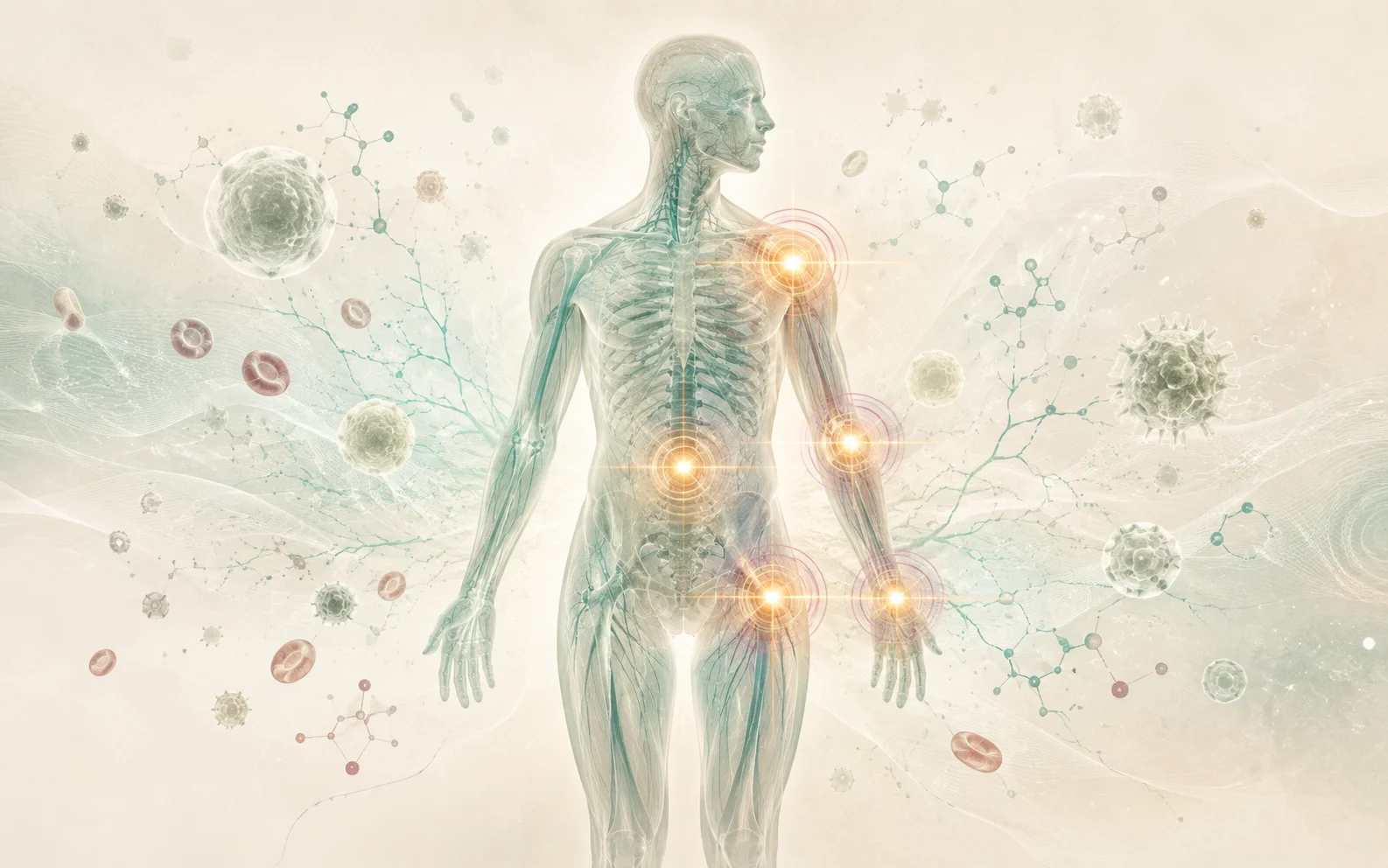
Inflammation has become one of the biggest buzzwords in modern healthcare. It's blamed for fatigue, weight gain, joint pain, brain fog, heart disease, autoimmune conditions, aging, and even wrinkles.
Wander down any grocery store aisle, and you will find shelves lined with products proudly claiming to be "anti-inflammatory." A quick scroll through social media makes it sound as though all inflammation is a toxic enemy you must vanquish.
But the truth is much more interesting.
The Biological First Responder
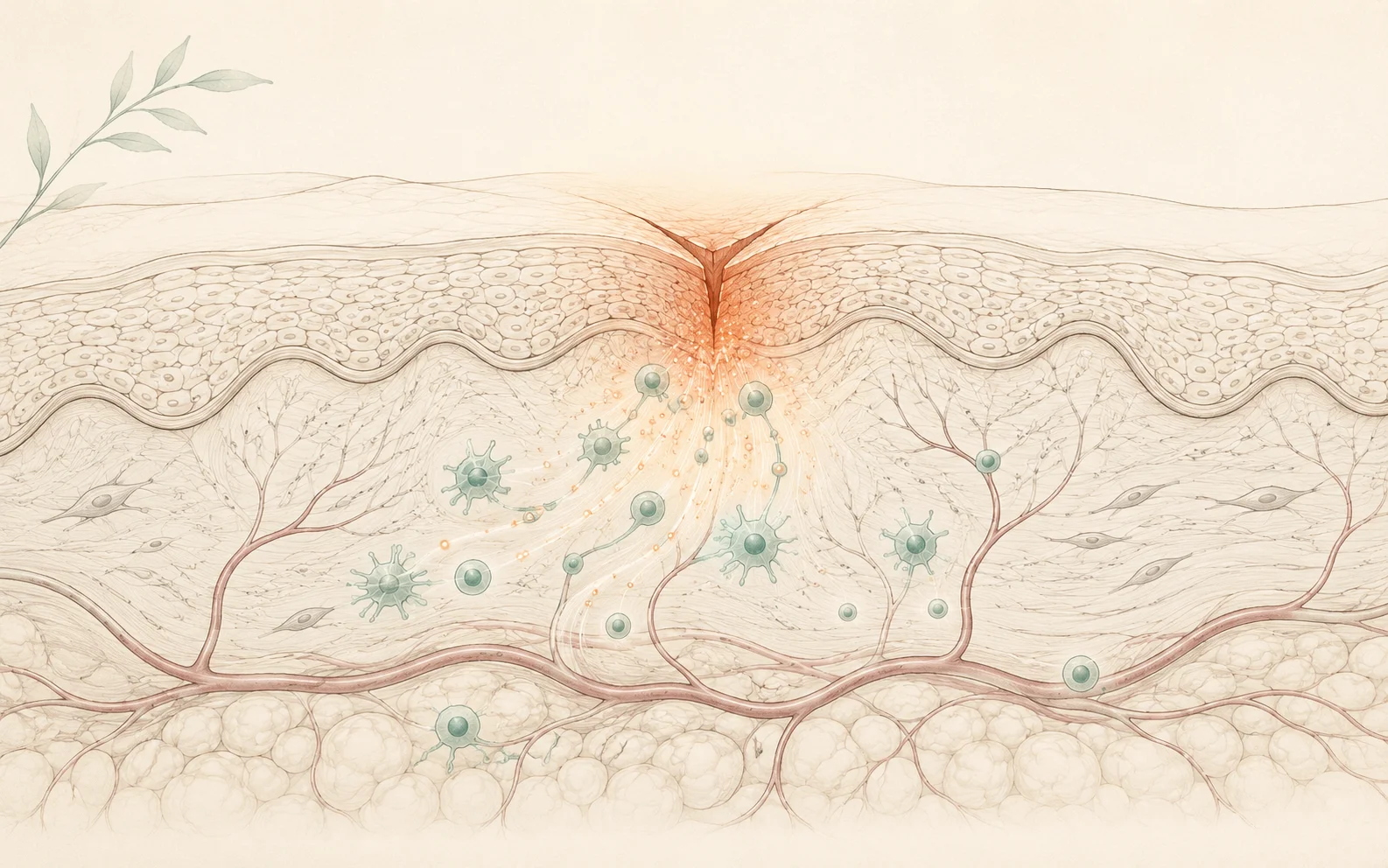
Your body was entirely designed to create inflammation.
Imagine you accidentally cut your finger while cooking dinner. Within seconds, your body begins responding. Blood vessels change. Specialized immune cells arrive. Chemical messengers signal that help is on the way. The area becomes red, warm, swollen, and tender.
That's inflammation.
And in this situation, it is exactly what you want. Without it, wounds wouldn't heal, simple infections would spread rapidly, and your body would struggle to repair itself. Inflammation is your body's natural, essential repair system.
When the Alarm Never Shuts Off
Now, imagine your home's smoke alarm. When there's a real fire, you want it to sound. It saves lives. But if that alarm continued blaring for weeks after the fire was out, it would stop protecting you and start disrupting your life.
The exact same thing happens inside your body.
Sometimes the inflammatory response continues long after it has served its vital purpose. Instead of helping the body heal, this ongoing inflammation begins affecting how your body functions.
Acute inflammation (The Helper)
- Purpose — Protects and heals the body
- Trigger — Direct injury, cut, or acute infection
- Duration — Short-term (days to weeks)
- Symptoms — Localized redness, heat, swelling, pain
Chronic inflammation (The Disruptor)
- Purpose — Harms healthy tissues over time
- Trigger — Chronic stress, poor diet, lifestyle factors
- Duration — Long-term (months to years)
- Symptoms — Systemic fatigue, brain fog, stealthy changes
The Quiet Threat: What Does Chronic Inflammation Feel Like?

Unlike a cut or an infection, chronic inflammation is often incredibly quiet. Most people don't wake up and "feel inflamed." Instead, they notice subtle, frustrating changes that develop gradually over time.
You may experience:
Persistent fatigue
Brain fog or difficulty concentrating
Achy joints or muscles
Slower recovery after exercise
Chronically low energy
Poor sleep
Increased abdominal weight gain
Frequent illness
Skin changes or breakouts
Digestive complaints
These symptoms are not specific to inflammation alone, many different medical conditions can cause them. But when several occur together, they are clear clues that your overall health deserves a closer look.
What is Triggering the Alarm?
There is rarely one single cause for chronic inflammation. It is a highly complex response influenced by many aspects of our daily lives, including:
Poor sleep
Chronic stress
Smoking or vaping
Excess visceral (abdominal) body fat
Diets high in ultra-processed foods
Physical inactivity
Poor metabolic health
Autoimmune diseases
Certain infections
Environmental exposures
Untreated chronic medical conditions
Genetics also play a role. Some people are simply more susceptible than others. This is precisely why inflammation isn't something we can "treat" with one magical supplement or a single superfood. We have to work to understand why the body is generating that response in the first place.
The Bigger Picture: Beyond Sore Joints
When inflammation remains elevated over time, it casts a shadow over multiple body systems. Researchers continue to study its driving role in serious conditions such as cardiovascular disease, type 2 diabetes, metabolic syndrome, fatty liver disease, arthritis, autoimmune conditions, neurodegenerative diseases, and some cancers.
Inflammation doesn't necessarily cause these conditions all by itself, but it is one critical piece of a much larger puzzle.
Can You Measure Inflammation?
Sometimes. Healthcare providers may use laboratory markers such as C-reactive protein (CRP) or other tests when clinically appropriate.
These markers can provide highly useful information, but they don't tell the entire story. A laboratory result is just one data point. Your symptoms, medical history, nutrition, sleep quality, stress levels, physical activity, and metabolic health all matter immensely. Numbers should always be interpreted in the context of your actual life.
Turning Down the Heat: Supporting Natural Balance


One of the most encouraging things about chronic inflammation is that the exact same habits that support a long, vibrant life also help support a healthy inflammatory response.
That includes:
Eat a diet rich in vegetables, fruits, legumes, nuts, healthy fats, and quality protein
Build and maintain muscle through strength training
Walk and move throughout the day
Prioritize truly restorative sleep
Manage and mitigate chronic stress
Maintain a healthy weight when appropriate
Avoid tobacco products
Treat underlying medical conditions
Notice a trend? These aren't secret "anti-inflammatory tricks." They are simply the unshakeable foundations of good health.
Arc Wellness Perspective
At Arc Wellness, we don't believe inflammation is something to fear. We believe it's something to understand.
Your body isn't trying to work against you. More often than not, it's simply responding to something it perceives as a threat or a challenge. Our role is to step back, look at the whole picture, and ask better questions:
Why is your body responding this way?
Is there an underlying medical condition?
Could your nutrition, sleep, stress, hormones, or metabolic health be contributing?
What changes are likely to have the greatest impact, not just for today, but for the decades ahead?
Our goal isn't simply to quiet your symptoms. It's to help create an environment where your body can heal, recover, and function exactly the way it was beautifully designed to.
Understand what's behind your symptoms.
If you're in the St. Louis area, our physician-led team is here to help you look at the whole picture—not just a single lab marker.
Book a consultationFrequently Asked Questions
No. Acute inflammation is a healthy, essential response that helps your body heal from injury and infection. It only becomes a concern when it turns chronic and continues long after the original trigger is gone.
Chronic inflammation often shows up as a cluster of subtle symptoms, persistent fatigue, brain fog, achy joints, poor sleep, or slower recovery, rather than one obvious sign. A physician-guided evaluation, sometimes including markers like CRP, combined with a look at your metabolic health and lifestyle, gives a clearer picture than any single lab number alone.
In many cases, yes. Chronic inflammation often responds well to the same foundational habits that support overall health: better sleep, regular movement, a nutrient-dense diet, stress management, and treatment of any underlying medical conditions.
Arc Wellness offers physician-led evaluations at our St. Louis, MO location that look beyond a single lab marker to your full health picture, including hormone health, gut health, and long-term longevity planning.
This article is for educational purposes and is not a substitute for personalized medical advice.

Invest in You.Live Fully.Age Intentionally.
We look forward to meeting you
— Dr. Jabbar
We look forward to meeting you
— Dr. Jabbar