The Holiday Plate: Enjoy the Foodand Keep the Good Stuff
How to enjoy holiday favorites, build a balanced plate, and return to the habits that help you feel your best
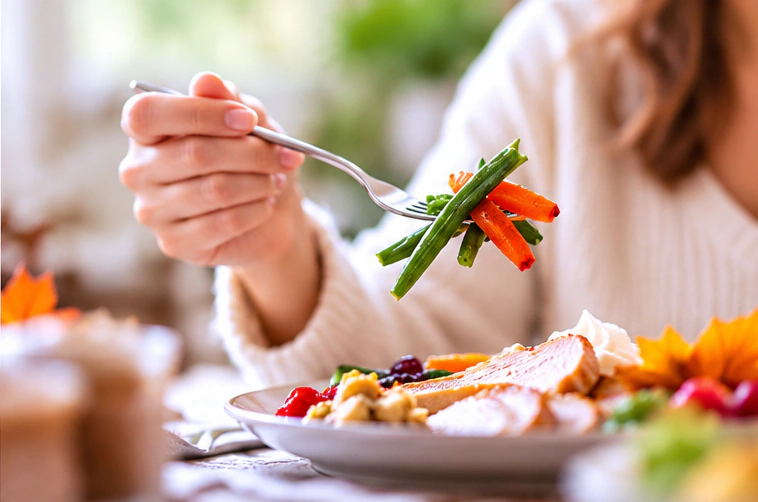
Because holiday traditions belong on the table, too.
There is something wonderful about the foods we look forward to all year long. Grandma's stuffing, Mom's homemade macaroni and cheese, the sweet potato casserole that only makes an appearance at Thanksgiving, and the pie that somehow never tastes quite the same when it's made any other time of year.
These dishes are more than recipes. They are traditions, memories, and little pieces of our family history passed from one generation to the next. They remind us of people we love, kitchens we grew up in, and celebrations that have become part of who we are.
And you know what? You should enjoy them.
Somewhere along the way, holiday eating became a source of anxiety. We started hearing about surviving Thanksgiving dinner, avoiding holiday weight gain, and making healthier substitutions for the foods we love. Suddenly, a beautiful meal surrounded by family became something we needed a strategy to get through.
But perhaps we have been looking at it all wrong.
Keep the Traditions. Build a Better Plate.
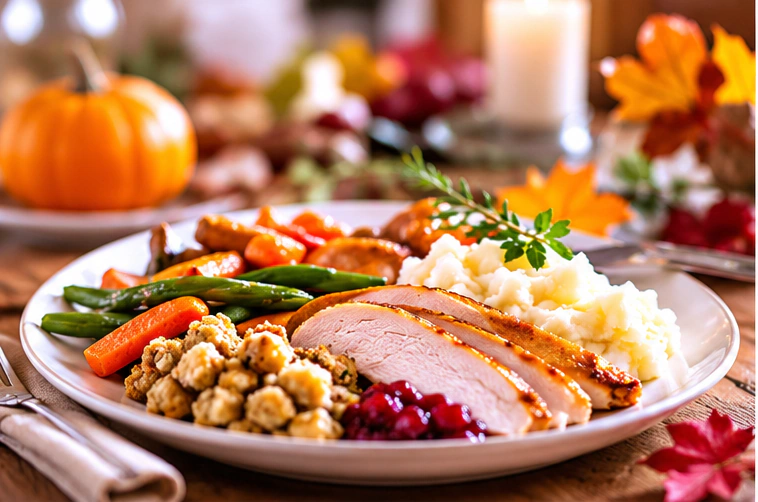
You do not have to choose between enjoying your favorite holiday dishes and taking care of your health. In fact, the two can fit quite comfortably on the same plate.
Have Grandma's stuffing. Enjoy Mom's macaroni and cheese. Take a spoonful of those buttery mashed potatoes. Just remember to make room for the turkey, too.
A satisfying holiday plate begins with a little balance. Turkey, roast beef, chicken, or another main dish provides the nourishment that helps keep us satisfied. Vegetables bring fiber, color, and nutrients that support digestion and overall health. And those wonderful traditional side dishes? They absolutely have a place.
A helpful starting point is to think of your plate in proportions rather than restrictions. Aim for roughly one-quarter of your plate filled with turkey or another nourishing main dish, another quarter with your favorite starches, and the remaining half with vegetables and other colorful sides.
Of course, holiday tables don't always lend themselves to perfect proportions, and that's perfectly fine. The point isn't to measure every spoonful. It's to remember that a little variety makes a meal more satisfying and helps our bodies feel better afterward.
And if Grandma's stuffing takes up a little extra room this year, the world will keep turning.
A Little of Everything Is Better Than Too Much of One Thing
One of the joys of a holiday meal is the variety. There are often more dishes on the table than we would ever prepare for an ordinary dinner.
Rather than piling your plate high with one or two favorites, consider taking smaller portions of several dishes you love. This allows you to enjoy the flavors and traditions without feeling uncomfortably full by the time dinner is over.
Eat slowly enough to appreciate what someone spent hours preparing. Enjoy the conversation. Notice when you're comfortably satisfied rather than waiting until you're so full that the couch becomes your only option.
And remember, you can always go back for a little more if you're genuinely hungry.
The goal isn't to leave the table feeling deprived. It's to leave feeling nourished, satisfied, and happy that you enjoyed the meal.
Yes, You Can Have Dessert
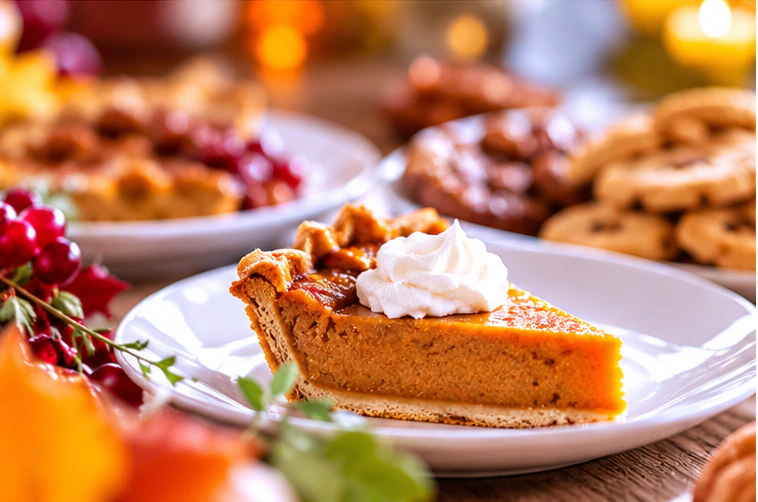
Let's talk about the dessert table, because it deserves a little attention of its own.
Pumpkin pie, pecan pie, homemade cookies, and the family dessert that everyone waits for each year are all part of the celebration.
You don't have to skip dessert to make your holiday meal healthier. You simply need to remember that enjoying something sweet and eating as much of it as possible are two very different things.
Choose what you truly love. Have a slice of pie. If two desserts are calling your name, enjoy smaller portions of each. Sit down, savor every bite, and appreciate the treat.
What we want to avoid is the habit of continuing to eat sweets simply because they're sitting on the counter, or because we tell ourselves that once the holidays are over, we won't be allowed to have them again.
Dessert is meant to be enjoyed, not accompanied by guilt or a promise to punish ourselves tomorrow.
One Holiday Meal Doesn't Undo a Healthy Lifestyle
Here is something I wish more people understood: one holiday meal, or even one full day of celebration, does not erase months of healthy habits.
Our health is shaped by what we do consistently, not by one Thanksgiving dinner.
What can become a problem is when one day of celebrating turns into six weeks of abandoning the habits that help us feel our best. Thanksgiving becomes leftover pie for breakfast, which rolls into holiday parties, endless cookies at the office, Christmas celebrations, and finally the familiar promise that everything will change on January 1.
But why wait?
Enjoy Thanksgiving on Thursday. Enjoy the leftovers on Friday. And then gradually return to the everyday meals and routines that make you feel good.
There is no need for a cleanse, a restrictive diet, or an extra-hard workout to make up for what you ate. Simply return to your usual habits. Eat nourishing meals, drink your water, move your body, and get enough rest.
Your body doesn't need punishment for celebrating. It needs consistency over time.
Don't Forget the Good Stuff
While we're enjoying the holiday favorites, it's easy to overlook the simple foods that support our health throughout the year.
Colorful vegetables, leafy greens, roasted carrots, green beans, winter squash, and fresh seasonal fruit can all be beautiful additions to a holiday table. These foods bring fiber, vitamins, minerals, and naturally occurring plant compounds that help support our bodies.
They also complement the richer dishes beautifully. A serving of roasted vegetables alongside buttery mashed potatoes or a crisp salad beside a comforting casserole can make the entire meal feel more balanced.
And don't forget about water. Between salty foods, sweet treats, holiday drinks, and busy schedules, staying hydrated can make a difference in how we feel.
The good stuff doesn't have to replace the traditional stuff. There is room for both.
Keep Moving, Even After the Meal

Holiday meals tend to be a little richer and heavier than what we eat on an ordinary day, and that's part of what makes them special. But after enjoying a wonderful meal, one of the nicest things we can do for our bodies is simply get moving.
Take a walk around the neighborhood with family. Step outside for some fresh air. Play with the grandchildren, toss a football around, or turn on some music and dance in the kitchen while cleaning up. It doesn't have to be a workout, and it certainly doesn't need to be strenuous.
Even a gentle 10- to 15-minute walk after eating can help support digestion, reduce that sluggish feeling that sometimes follows a heavy meal, and help our bodies manage the natural rise in blood sugar after eating.
And perhaps the best part is that movement can become another holiday tradition. A family walk after Thanksgiving dinner might be just as memorable as the meal itself.
The idea isn't to exercise because we ate too much. It's to move because our bodies feel better when we do.
Enjoy the food, enjoy the company, and then enjoy a little movement. It's one more simple way to care for yourself without missing a moment of the celebration.
What Really Matters at the Holiday Table
When we look back on our favorite holiday memories, we rarely remember how many calories were on our plates.
We remember the people gathered around the table. The stories told for the hundredth time. The laughter coming from the kitchen. The recipe someone finally agreed to share. And the familiar flavors that remind us where we came from.
Food has always been part of how we celebrate, connect, and care for one another. There is no reason that taking care of our health should mean losing those traditions.
So this holiday season, enjoy the stuffing. Have the macaroni and cheese. Eat the turkey, add some vegetables, and save a little room for dessert.
Most importantly, enjoy the people and the moments that make the meal special.
A healthy lifestyle should be something you can live with, not something you have to take a holiday from.
And when the celebration is over, simply return to the habits that nourish you.
That's balance. And it's something worth bringing to the table.
From the Arc table to yours, may your holidays be filled with familiar flavors, cherished traditions, laughter around the table, and beautiful memories that last long after the dishes are cleared.
Want help building habits you can keep through the holidays?
Book a consultation with Arc Wellness to talk through nutrition, metabolic health, and a way of eating you can live with.
Book a consultationFrequently Asked Questions
Think in proportions rather than restrictions. Aim for roughly one-quarter of your plate with turkey or another nourishing main dish, one-quarter with your favorite starches, and the remaining half with vegetables and other colorful sides. Holiday tables don't always allow perfect proportions, and that's fine.
Yes. Choose the desserts you truly love, have a slice, or enjoy smaller portions of two. Sit down and savor it. The habit to avoid is eating sweets simply because they're on the counter, not enjoying dessert itself.
No. One holiday meal, or even a full day of celebration, does not erase months of healthy habits. Health is shaped by what you do consistently. The challenge is when one day of celebrating turns into six weeks of abandoning the routines that help you feel your best.
No. There is no need for a cleanse, a restrictive diet, or an extra-hard workout. Simply return to your usual habits: nourishing meals, water, movement, and enough rest. Learn more about what functional health is and isn't.
Even a gentle 10- to 15-minute walk after eating can help support digestion, reduce the sluggish feeling that follows a heavy meal, and help your body manage the natural rise in blood sugar after eating. Read about insulin resistance.
Take smaller portions of several dishes instead of piling up one or two favorites. Eat slowly, enjoy the conversation, and notice when you're comfortably satisfied. You can always go back for a little more if you're genuinely hungry.
Yes. Arc Wellness supports nutrition, metabolic health, and sustainable lifestyle habits with a physician-led approach. Contact Arc Wellness to learn more.

Invest in You.Live Fully.Age Intentionally.
We look forward to meeting you
— Dr. Jabbar
We look forward to meeting you
— Dr. Jabbar