
Sleep:The Most Underrated Part of Your Health
Why restorative sleep matters for stress, hormones, metabolism, brain health, skin and the way we feel every day

We spend a lot of time talking about what we eat, how much we exercise, our hormones, our supplements, our stress levels and whether we drank enough water today. But there is another piece of health that we tend to treat as optional: sleep.
We borrow from it when we're busy. We sacrifice it when there's too much to do. We tell ourselves we'll catch up over the weekend. Sometimes we even wear exhaustion like a badge of honor.
But while we're sleeping, our bodies aren't doing nothing. Quite the opposite.
Sleep is an active biological process. It is a time when the brain organizes information and participates in waste clearance, tissues repair, immune activity is regulated, hormones follow important daily rhythms and the nervous system gets an opportunity to shift away from the demands of the day.
An occasional bad night is part of being human, and the body is remarkably good at adapting. But when too little sleep—or poor-quality sleep—becomes the pattern rather than the exception, the effects can reach far beyond feeling tired the next morning.
When Poor Sleep Becomes a Stress Pattern
Sleep and stress have a complicated relationship: each can influence the other. Poor sleep can increase stress reactivity and alter activity in the body's stress-response systems. At the same time, ongoing stress can make it harder to fall asleep, stay asleep or settle into restorative sleep.
Over time, chronic insufficient or disrupted sleep is associated with higher risks of several health problems, including hypertension, cardiovascular disease, obesity, insulin resistance and type 2 diabetes, as well as depression. Sleep is not the only factor behind these conditions—genetics, nutrition, physical activity, medical conditions, medications, environment and many other influences matter—but it is an important piece of the whole-body health picture.
Blood Sugar, Appetite and Metabolism

Have you ever noticed that the day after a terrible night's sleep is rarely the day you are craving salmon, broccoli and a nice handful of walnuts?
Sleep loss can affect insulin sensitivity, glucose regulation, appetite signaling and the brain systems involved in food choices. Fatigue may also make movement feel harder and quick-energy foods considerably more appealing. One night does not undo your health, but repeated short or fragmented sleep can make maintaining healthy metabolic patterns more difficult.
This is one reason sleep deserves a place in conversations about metabolic health alongside nutrition and movement—not somewhere at the bottom of the list after everything else.
Sleep and Your Hormones
Our hormones do not operate independently from the clock. Sleep and the circadian rhythm—the body's internal approximately 24-hour timing system—interact with cortisol, melatonin, growth hormone, insulin and reproductive hormones, among many other biological signals.
Repeated sleep disruption can interfere with the normal timing and regulation of these processes. That does not mean one restless night suddenly 'throws your hormones out of whack.' It means that consistent, restorative sleep helps support the rhythms our endocrine system relies on.
And Then There Is Menopause...
For women in perimenopause and menopause, the relationship can become particularly frustrating. Hormonal changes may contribute to hot flashes, night sweats and sleep disruption, while disrupted sleep can make fatigue, mood changes, stress tolerance and cognitive complaints feel even more pronounced. In other words, sometimes it is difficult to tell where the hormonal symptoms end and the sleep deprivation begins.
That is also why persistent sleep problems deserve more than a blanket recommendation to 'just go to bed earlier.' There may be several pieces of the puzzle.
Your Face May Tell the Story, Too
There is a reason a rough night can show up in the mirror the next morning. Dark circles are not always caused by lack of sleep—genetics, allergies, pigmentation, aging and facial anatomy all play a role—but fatigue can make them more noticeable. Under-eye puffiness may also be influenced by fluid shifts and inflammation.
Sleep is part of the body's normal tissue-repair and recovery process, and research has linked chronic poor sleep with impaired skin-barrier recovery and more visible signs of skin aging. Skin may simply look duller, less rested and less vibrant after inadequate sleep.
So when someone cheerfully says, 'You look tired,' and you're thinking, well thank you very much, Georgia...there may actually be some biology behind what they're seeing.
Your Brain and Sleep
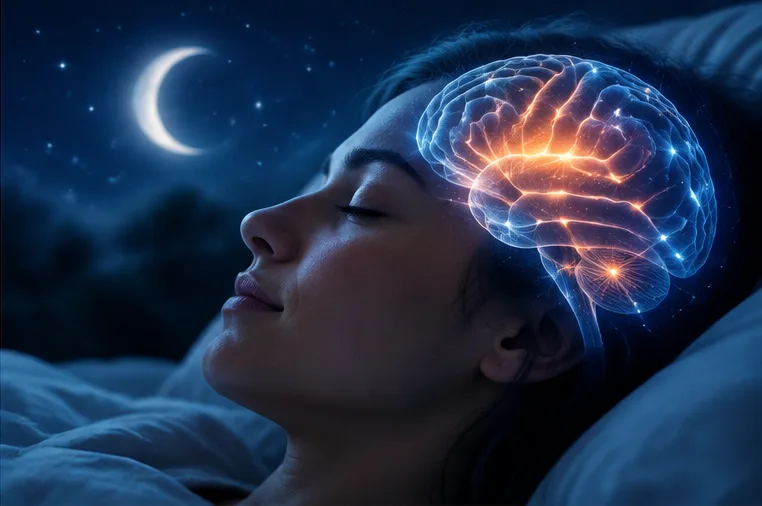
We often think of sleep as an energy issue. It is also very much a brain-health issue.
Sleep supports attention, learning, memory consolidation, emotional regulation and cognitive performance. During sleep, fluid movement through the brain also participates in clearing metabolic waste through what is commonly called the glymphatic system.
Long-term sleep disturbances have been associated with cognitive decline and neurodegenerative disease. The relationship is complex and appears to work in both directions: neurological changes can disrupt sleep, while chronic poor sleep may contribute to biological processes involved in neurological disease. Association does not automatically prove that poor sleep alone causes these conditions, but the connection is important enough that sleep belongs in the larger conversation about lifelong brain health.
Good Sleep Is Not Just About Going to Bed Earlier

You can spend nine hours in bed and still sleep terribly. The goal is not simply more time under the covers. The goal is consistent, restorative sleep and a daily rhythm that gives your body the best opportunity to achieve it.
Keep your schedule reasonably consistent.
Going to bed and waking at similar times helps reinforce the body's internal clock—even on weekends.
Get some daylight.
Morning and daytime light exposure helps anchor circadian rhythm and supports appropriate melatonin timing later in the evening.
Move during the day.
Regular physical activity supports sleep quality, although vigorous exercise immediately before bed can be stimulating for some people.
Make the bedroom work for sleep.
A cool, dark and quiet environment can make it easier for the brain to recognize that it is time to settle down.
Give yourself a runway.
Going directly from email, television, work or doomscrolling to GOOD NIGHT, BRAIN is not always a winning strategy. A short wind-down routine can help.
Watch the afternoon caffeine.
Caffeine can remain in the body for hours. For sensitive sleepers, that late-afternoon coffee may still be very much on duty at bedtime.
Be thoughtful with alcohol.
Alcohol may make you feel sleepy initially, but it can fragment sleep later in the night and reduce sleep quality.
Consider meal timing.
Large or heavy meals immediately before bed can interfere with comfort and sleep for some people.
Dim the evening.
Bright light and stimulating screen content can both work against the process of winding down. This does not require banishing every screen at sunset; it means being intentional about the hour before bed.
Create repeatable cues.
A shower, skincare, herbal tea, prayer or meditation, stretching, reading or quiet music can become a signal to your brain that the day is ending.
When 'Sleep Hygiene' Is Not Enough
Sometimes people are doing all the right things and still are not sleeping well. That is when it may be time to stop assuming the answer is another supplement or an earlier bedtime and start asking why.
Persistent insomnia, loud snoring, waking while gasping or choking, morning headaches, restless or uncomfortable legs, significant daytime sleepiness, or regularly waking exhausted despite spending enough time in bed can warrant medical evaluation. Sleep apnea, chronic insomnia, restless legs syndrome, medication effects, hormonal symptoms and other medical conditions can all interfere with restorative sleep.
Sleep Is Part of the Work
Sleep isn't wasted time. It isn't the part of your day when nothing is happening.
It is part of the work your body does to keep you well.
We cannot control every stressful day, every hormone fluctuation or every night when life simply refuses to cooperate. But protecting our sleep as often as we can is one of the simplest ways we can support nearly every system in the body.
Maybe sleep is one of the things that helps everything else get done.
When You Need a Little Help Getting Back to Rest
Sometimes creating a better bedtime routine is only part of the answer. At Arc Wellness, we look beyond the simple advice to "get more sleep" and start by asking a more important question: why aren't you sleeping well in the first place?
Sleep disruption can have many underlying contributors. Hormonal changes, chronic stress, an overactive mind, metabolic health, medications, nutritional deficiencies, nighttime bathroom trips and other medical concerns may all play a role. When appropriate, we can look more closely at these underlying factors and help determine whether something happening elsewhere in the body may be interfering with your ability to get consistent, restorative sleep. And when symptoms suggest a sleep disorder such as sleep apnea or another condition requiring specialized evaluation, we can help point you in the right direction for further testing and care.
For some patients, ExoMind may be incorporated into a broader plan to support mental wellness and address patterns such as stress or anxiety that can interfere with rest. If repeated nighttime trips to the bathroom are disrupting sleep, EMSELLA may be an option for appropriate patients experiencing urinary incontinence or pelvic-floor concerns.
And then there are the things we see in the mirror after too many restless nights. EMFACE offers a noninvasive approach to facial muscle stimulation and skin rejuvenation, while our targeted under-eye treatments can address concerns such as laxity, texture, puffiness or that perpetually tired appearance when appropriate. Because sometimes getting your sleep back is step one—and helping you look a little more like you actually slept is a pretty nice step two.
At Arc, our goal isn't simply to tell you to go to bed earlier, hand you a supplement and send you on your way. We want to understand what may be standing between you and restorative sleep, address the pieces we can, and help you build a plan that supports how you sleep, feel, function and age.
Because a good night's sleep shouldn't feel like a luxury.
It is part of taking care of you.
Book a consultationFrequently Asked Questions
Sleep is an active biological process. While you sleep, the brain organizes information and clears metabolic waste, tissues repair, immune activity is regulated, and hormones follow important daily rhythms. Consistent, restorative sleep supports nearly every system in the body.
Sleep and stress influence each other. Poor sleep can increase stress reactivity, and ongoing stress can make it harder to fall asleep, stay asleep, or reach restorative sleep. Over time, this cycle can add to the body's overall stress load.
Yes. Sleep loss can affect insulin sensitivity, glucose regulation, appetite signaling, and food choices. Repeated short or fragmented sleep can make it harder to maintain healthy metabolic patterns.
Sleep and the circadian rhythm interact with cortisol, melatonin, growth hormone, insulin, and reproductive hormones. Repeated sleep disruption can interfere with the normal timing and regulation of these signals.
Hormonal changes can contribute to hot flashes, night sweats, and sleep disruption. Poor sleep can then make fatigue, mood changes, and cognitive complaints feel even more pronounced.
It can. Fatigue can make dark circles more noticeable, under-eye puffiness may be influenced by fluid shifts and inflammation, and chronic poor sleep has been linked with impaired skin-barrier recovery and more visible signs of skin aging.
Keep a consistent sleep schedule, get daylight during the day, stay active, keep your bedroom cool, dark, and quiet, limit afternoon caffeine and evening alcohol, avoid heavy meals right before bed, dim the lights in the evening, and build a short wind-down routine.
Consider a medical evaluation if you have persistent insomnia, loud snoring, wake up gasping or choking, have morning headaches, restless or uncomfortable legs, significant daytime sleepiness, or regularly wake up exhausted despite enough time in bed.
Arc Wellness looks for what may be disrupting your sleep, including hormonal changes, chronic stress, metabolic health, medications, nutritional deficiencies, and nighttime bathroom trips. When appropriate, options such as ExoMind™ and EMSELLA® may be part of a broader plan, and patients who need specialized sleep testing can be pointed in the right direction.

Invest in You.Live Fully.Age Intentionally.
We look forward to meeting you
— Dr. Jabbar
We look forward to meeting you
— Dr. Jabbar