
Is Your Gut Trying to Tell You Something?Understanding the Everyday Signs of Digestive Imbalance
Understanding the Everyday Signs of Digestive Imbalance
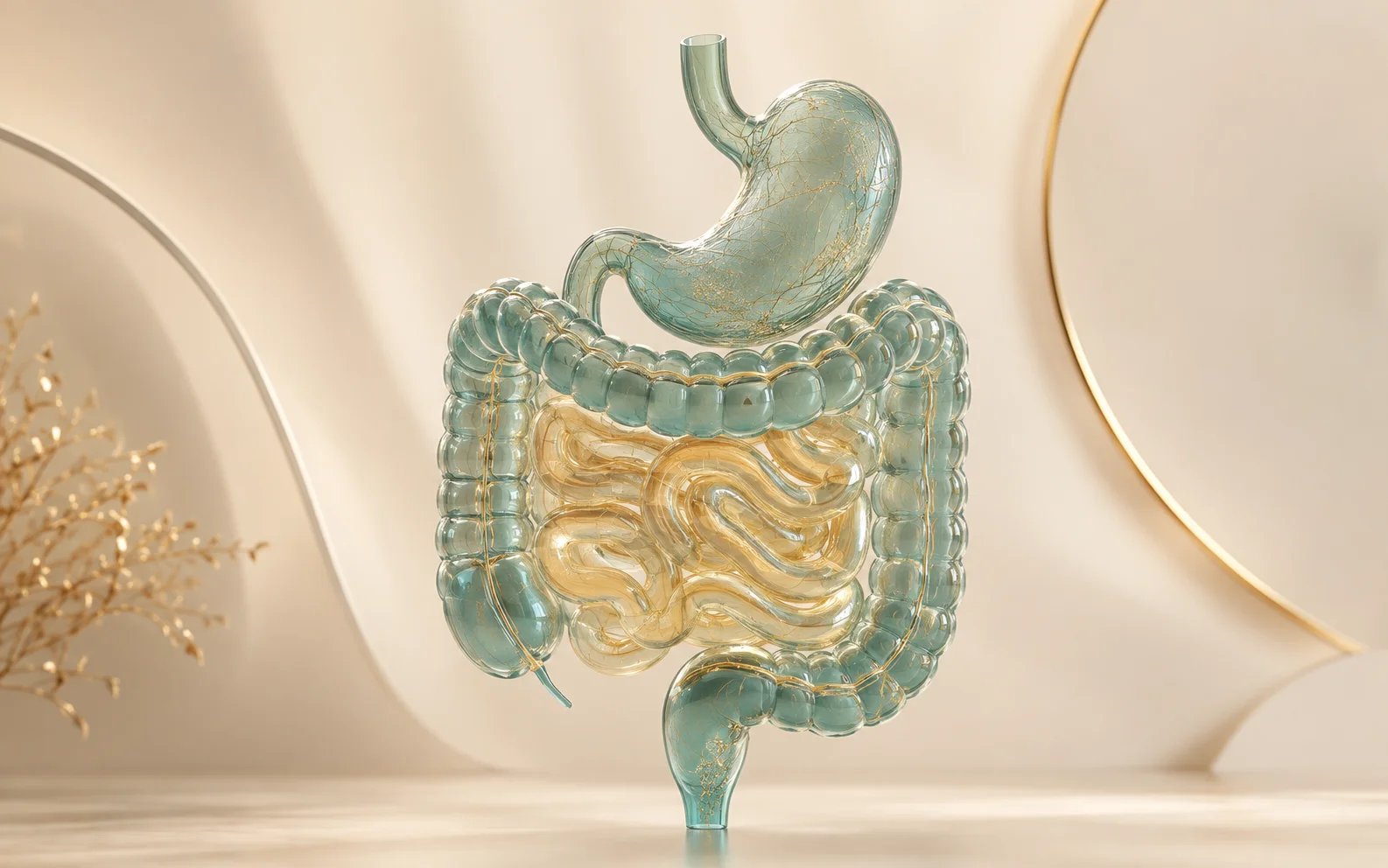
Your digestive system is remarkably good at getting your attention. Sometimes it's obvious—a stomach bug or a bout of food poisoning. But more often, the signs are subtle.
You feel bloated after meals. You battle constipation or frequent diarrhea. Certain foods suddenly don't agree with you, or you experience heartburn more often than you used to. You always seem to have "a sensitive stomach."
Over time, many people begin accepting these symptoms as normal: "I've always been this way." "It's just stress." "It's probably getting older."
But while digestive symptoms are common, they shouldn't simply be ignored. Your gut is one of the hardest-working systems in your body, and when something isn't functioning well, it often affects much more than digestion alone.
Your Gut Does Much More Than Digest Food

When most people think about digestive health, they think about the stomach. In reality, your gastrointestinal tract is responsible for far more than breaking down meals.
When your digestive system is functioning well, you rarely think about it. When it isn't, the effects can ripple throughout your entire body.
Nutrient absorption
It is the primary center where nutrients are absorbed.
Gut microbiome
It is home to trillions of bacteria that make up your gut microbiome.
Immune communication
It communicates constantly with your immune system.
Metabolism & vitamins
It influences how your body processes food, regulates blood sugar, and produces certain vitamins.
Gut–brain axis
It has a close relationship with your brain through what researchers call the gut–brain axis.
Common Signs Your Gut May Need Attention

Not every digestive symptom points to a serious condition. Many can be temporary and resolve on their own. But if symptoms become persistent, frequent, or begin affecting your quality of life, they deserve a closer look.
Sometimes people experience symptoms outside the digestive tract as well. While these symptoms can have many different causes, digestive health is one piece of the puzzle that may be worth exploring.
Non-digestive signs that may be worth exploring
- Brain fog
- Low energy
- Iron deficiency or vitamin deficiencies
- Skin changes
- Difficulty maintaining a healthy weight
- Ongoing inflammation
- Changes in mood
Common digestive signs
- Frequent bloating
- Constipation
- Diarrhea
- Alternating constipation and diarrhea
- Excessive gas
- Acid reflux or frequent heartburn
- Stomach discomfort after eating
- Feeling overly full after small meals
- Food intolerances or increasing food sensitivities
- Nausea
- Abdominal pain or cramping
- Unexplained fatigue after meals
The important point isn't to assume your gut is causing every symptom. It's to recognize that the body works as an interconnected system.
What Causes Digestive Problems?
There isn't one single answer. Digestive symptoms can result from many different conditions, including:
Diet and nutrition
Stress
Food intolerances
Irritable bowel syndrome (IBS)
Gastroesophageal reflux disease (GERD)
Celiac disease
Inflammatory bowel disease (Crohn's disease or ulcerative colitis)
Gallbladder disease
Certain medications
Infections
Changes in the gut microbiome
Sometimes more than one factor is contributing at the same time. That's why simply treating a symptom on the surface doesn't always solve the underlying problem.
Your Gut and Your Brain Are Constantly Talking
Have you ever noticed your stomach "dropping" when you're nervous? Or lost your appetite during a stressful week? That's not your imagination.
The digestive system and the brain communicate continuously through the gut–brain axis. Stress can change digestion. Poor digestion can affect how you feel. Sleep influences gut health. Gut health can influence sleep. One system affects the other.
Understanding those connections often helps explain why improving digestive health isn't always about one medication or one food. Sometimes it's about supporting the entire system.
Healing Doesn't Usually Happen Through a Cleanse

One of the biggest misconceptions about gut health is the idea that your digestive system simply needs to be "reset" with a harsh detox or cleanse. In reality, your gut is already remarkably good at maintaining itself.
What it often needs is consistency:
A diet rich in fiber
A variety of colorful fruits and vegetables
Beans and lentils
Whole grains
Healthy fats
Adequate hydration
Regular movement
Quality sleep
Stress management
Supporting your gut isn't about perfection. It's about creating an environment where it can function the way it was designed to—and when appropriate, identifying medical conditions that deserve proper treatment.
When Should You Talk to Your Healthcare Provider?
Digestive symptoms that are persistent, worsening, or interfering with daily life deserve medical evaluation. You should also seek immediate medical attention if you experience red-flag symptoms such as:
Blood in your stool
Unintentional weight loss
Persistent vomiting
Difficulty swallowing
Severe abdominal pain
Black or tar-colored stools
Symptoms that wake you from sleep regularly
These symptoms don't necessarily mean something serious is happening, but they should never be ignored.
The Arc Perspective
At Arc Wellness, we believe digestive health is about more than relieving symptoms. It's about understanding why those symptoms are happening in the first place.
Sometimes the answer is as simple as improving nutrition or increasing fiber. Sometimes stress, sleep, or medications are playing a larger role. Sometimes further medical evaluation is needed.
Our goal isn't to label every digestive complaint as "leaky gut" or assume every symptom comes from the microbiome. Our goal is to understand the whole picture—your symptoms, your history, your lifestyle, and your overall health—so we can help you make informed decisions about what comes next.
Because when your digestive system functions well, everything from your energy to your nutrition, metabolism, and daily comfort can benefit.
Understand what's behind your symptoms.
If you're in the St. Louis area, our physician-led team is here to help you look at the whole picture—not just a single symptom.
Book a consultationFrequently Asked Questions
Gut imbalance often shows up as a cluster of everyday symptoms rather than one obvious sign—frequent bloating, constipation or diarrhea, heartburn, discomfort after eating, or increasing food sensitivities. Some people also notice symptoms outside the digestive tract, such as brain fog, low energy, or skin changes. When several occur together or become persistent, they deserve a closer look.
They can be connected. The body works as an interconnected system, and the gut communicates constantly with the immune system and the brain through the gut–brain axis. While symptoms like fatigue, mood changes, or ongoing inflammation have many possible causes, digestive health is one piece of the puzzle worth exploring.
Usually not. Your gut is already remarkably good at maintaining itself, and a harsh cleanse isn't what it needs. More often it responds to consistency—fiber, colorful fruits and vegetables, whole grains, healthy fats, hydration, movement, quality sleep, and stress management.
Arc Wellness offers physician-led evaluations at our St. Louis, MO location that look beyond a single symptom to your full health picture—your history, lifestyle, nutrition, and overall health—so you can make informed decisions about what comes next. Learn more about our gut health care.
This article is for educational purposes and is not a substitute for personalized medical advice.

Invest in You.Live Fully.Age Intentionally.
We look forward to meeting you
— Dr. Jabbar
We look forward to meeting you
— Dr. Jabbar