
Your Skin Is Talking
What your skin may be telling you about how you're nourishing, resting, moving, and caring for yourself.
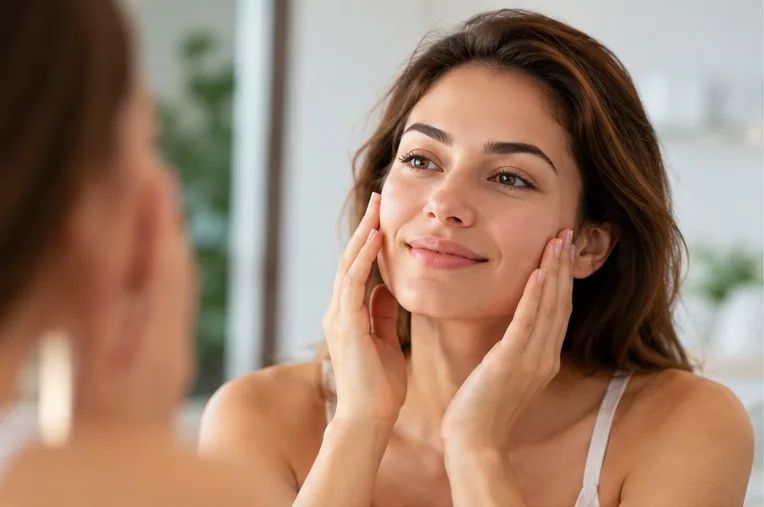
We look in the mirror one morning and begin to see changes. Our skin looks dull, the circles under our eyes seem darker, and the fine lines are a little more noticeable than they were before. Maybe we're experiencing dryness, irritation, or breakouts, or perhaps we simply look more tired than we feel.
Naturally, we begin searching for solutions. Maybe we need a better moisturizer, a new vitamin C serum, more retinol, or a cleanser that promises to restore that youthful glow. We consider facials, exfoliants, and the latest skin-care products, hoping to find something that will make our skin look brighter, smoother, and healthier. And sometimes those things absolutely help.
Beauty Really Does Begin on the Inside

Our skin doesn't exist separately from the rest of our body. It is living, functioning tissue influenced by how we nourish ourselves, how well we sleep, the stress we carry, the environment around us, and the changes happening within our bodies. What we see in the mirror is often the result of far more than the products sitting on our bathroom counter.
Our skin is part of the story our body is telling, and understanding that story may be one of the most important steps toward caring for it.
We spend a tremendous amount of time talking about skin care from the outside in, but healthy, vibrant skin also depends on what happens beneath the surface. Like every other organ in our body, our skin requires nutrients to maintain its structure, support normal repair processes, and carry out the many functions we rarely stop to consider.
Protein
Protein provides the amino acids necessary for building and maintaining tissues, including collagen, which contributes to the skin's strength and structure.
Vitamin C
Vitamin C supports normal collagen production.
Essential fatty acids
Essential fatty acids play an important role in maintaining the skin's protective barrier.
Vitamins, minerals, and plant compounds
Vitamins, minerals, and the naturally occurring compounds found in whole foods contribute to the complex biological processes that help our skin function as it should.
Of course, that doesn't mean there's one magical food that will give us beautiful skin. A bowl of blueberries isn't going to erase a wrinkle, and eating salmon twice this week won't suddenly make us look ten years younger. What matters much more is the pattern of how we nourish ourselves over time.
Consider a plate filled with colorful vegetables, beans or lentils, fish, chicken or eggs, olive oil, nuts, seeds, berries, and other fruits. These foods work together to provide protein, healthy fats, fiber, antioxidants, vitamins, and minerals that nourish the entire body. Rather than focusing on one particular ingredient as the secret to beautiful skin, we can recognize that a varied, nutrient-rich diet gives our bodies the resources they need to function well.
We don't necessarily need to eat for our skin; we need to eat for ourselves. When we consistently nourish the whole body, our skin gets to benefit, too.
The opposite is worth considering as well. A diet built primarily around highly refined foods, added sugars, and foods that provide plenty of calories but relatively little nutritional value may leave less room for the nutrients our bodies need. This isn't about eliminating every dessert or feeling guilty about enjoying the foods we love. Healthy skin doesn't require dietary perfection any more than a healthy body does.
Ultimately, it's what we do most of the time that matters. The foods we choose day after day become part of the raw material our bodies have available to maintain and repair themselves, and eventually, some of that story may show up in the mirror.
And Yes, Water Matters
We've probably all heard someone say that drinking more water is the secret to glowing skin. If only it were quite that simple. Drinking gallons of water won't erase wrinkles, restore lost collagen, or replace a good moisturizer, but maintaining adequate hydration is still essential for normal body function, including the health of our skin.
Our skin relies on an effective moisture barrier to help retain water and protect against the outside environment. When that barrier becomes compromised, we may notice dryness, tightness, irritation, or a rough appearance. While drinking enough fluids supports the body's normal hydration needs, protecting the skin from excessive moisture loss requires attention to what we're doing on the outside as well.
Gentle cleansing, regular moisturizing, and avoiding products that unnecessarily strip the skin can make a meaningful difference. This becomes especially important during colder months when outdoor air is dry, indoor heat is running, and long, hot showers suddenly feel irresistible. As wonderful as that twenty-minute steaming shower may feel, our skin may appreciate it considerably less than we do.
Sleep Shows Up, Too

We've all experienced the morning after a terrible night's sleep when the mirror seems unnecessarily honest. Our eyes look tired, our skin appears dull, and everything about our reflection seems a little less vibrant.
Sleep is one of the body's most important opportunities for restoration and recovery. During sleep, numerous processes involved in tissue maintenance, immune regulation, and metabolic function continue working to support our overall health. Consistently poor sleep can affect far more than our appearance, but the visible changes around our eyes and in our complexion are often among the first things we notice.
Sleep also interacts with our stress response, appetite regulation, and hormones, creating connections that extend throughout the body. When we're chronically sleep-deprived, even an excellent skin-care routine may struggle to compensate for the effects of inadequate rest.
That doesn't mean eye creams and moisturizers don't have a place in our routine. They certainly can. But sometimes the most valuable thing we can do for the person looking back at us in the mirror is turn off the television, put down the phone, and get a good night's sleep. It's not nearly as exciting as a $150 serum, but it's considerably less expensive.
Sometimes Stress Introduces Itself in the Mirror
Stress doesn't stay neatly tucked away inside our thoughts. Our brain, nervous system, immune system, hormones, and skin are constantly communicating with one another, and prolonged stress can influence many of the processes that help maintain healthy skin.
For some people, stressful periods seem to coincide with breakouts, irritation, or flare-ups of inflammatory skin conditions. For others, the changes are less specific. Their complexion may simply look tired or less vibrant, particularly when stress has disrupted sleep, nutrition, and everyday routines.
Think about those seasons when life seems to move faster than we can keep up. We're rushing from one responsibility to another, worrying about things beyond our control, taking care of everyone else, and grabbing whatever food happens to be convenient. We forget to drink water, skip our afternoon walk, and stay awake longer than we should because it's the only quiet time we've had all day.
Eventually, some of that exhaustion may become visible in the mirror. This doesn't mean every wrinkle, breakout, or dry patch is caused by stress, but it reminds us that our skin is part of a much larger system. When the rest of our body is struggling to keep up, our skin may reflect some of those challenges as well.
Everything Your Skin Meets
While we're considering everything happening inside our bodies, we also need to remember how much our skin encounters from the outside. Sunlight, changing temperatures, dry air, smoke, environmental pollutants, makeup, fragrances, cleansers, and exfoliants all interact with our skin throughout the day. Then there are the seventeen different products social media has convinced us should be layered onto our faces before breakfast.
Our skin serves as a protective interface between our bodies and the outside world. Aggressive cleansing, excessive exfoliation, and repeatedly applying irritating ingredients can interfere with that protective function, leaving skin more vulnerable to dryness and sensitivity. Fragrances and certain preservatives may also cause irritation or allergic reactions in susceptible individuals.
Sun exposure deserves particular attention because ultraviolet radiation contributes to premature skin aging, changes in pigmentation, and increased skin cancer risk. While many skin-care products promise to improve the visible signs of aging, consistent sun protection remains one of the most important preventive steps we can take.
Fortunately, good skin care doesn't necessarily require an overflowing bathroom cabinet. Gentle cleansing, appropriate moisture, daily sun protection, and a few thoughtfully selected products can provide a strong foundation. What matters most is choosing products suited to our individual skin and using them consistently.
Sometimes caring for our skin means adding something new to our routine, but occasionally, the most helpful thing we can do is simplify it.
Sometimes the Skin Is Telling Us Something Deeper
Our skin can also reflect changes happening within our bodies that aren't always immediately obvious. Hormones, thyroid function, nutritional status, and certain metabolic or inflammatory conditions can all influence the way our skin looks and functions, which is one reason a functional approach to skin health can be so valuable.
Consider the hormonal changes that occur during perimenopause and menopause. Estrogen plays an important role in maintaining skin collagen, thickness, and hydration. As estrogen levels decline, many women begin noticing that their skin feels drier, appears thinner, or seems to have lost some of its previous firmness and elasticity. These changes can feel surprisingly sudden, especially when a familiar skin-care routine no longer produces the same results.
Other internal changes may influence the skin as well. Thyroid disorders can sometimes contribute to unusually dry or coarse skin, while certain nutritional deficiencies may interfere with normal tissue maintenance and repair. Blood glucose regulation and metabolic health can also affect skin function, and some inflammatory conditions have visible skin manifestations.
Of course, not every wrinkle, dry patch, or breakout requires a laboratory test. Aging, genetics, environmental exposure, and everyday habits all play significant roles in skin health. However, when changes are persistent, unusual, or accompanied by other symptoms, looking beyond the bathroom cabinet may help identify concerns that deserve attention.
At Arc Wellness, this is part of our functional approach to health. Rather than viewing skin concerns in isolation, we consider the broader picture, including nutrition, hormones, metabolic health, sleep, stress, and the changes our bodies experience over time. Sometimes the most helpful next step is improving a daily skin-care routine, while other situations may warrant evaluating an underlying health concern.
Often, meaningful care involves understanding how these different pieces fit together.
And Then There Is Everyday Life

Our skin also keeps a little record of simply being alive. We smile, squint, laugh, spend summers outside, experience hormonal changes, travel, celebrate birthdays, and move through seasons of life that are sometimes wonderfully joyful and occasionally exhausting. We gain weight, lose weight, sleep beautifully for a while, and then find ourselves in a season when eight uninterrupted hours feels like a distant memory.
Through it all, our skin continues to change.
Collagen production and organization change with age, elasticity gradually declines, and the structures beneath our skin evolve as well. Facial muscles, fat distribution, and connective tissues all contribute to the appearance of our faces, while accumulated sun exposure can influence pigmentation and texture.
None of this means we've done something wrong. We can nourish our bodies beautifully, drink enough water, sleep well, manage stress, use excellent skin-care products, and protect ourselves from the sun, and we are still going to age.
And that's where good skin health and aesthetics can work beautifully together.
When Weight Loss Changes More Than the Number on the Scale
Weight loss can bring meaningful improvements to our health, particularly when it helps improve metabolic function, mobility, and overall well-being. For many people, reaching a healthier weight is an important accomplishment, and medications such as GLP-1 therapies have become valuable tools in treating obesity and supporting weight management.
However, significant weight loss can also bring changes we may not have anticipated, particularly in the appearance of our skin.
As we lose body fat, we also lose some of the volume that previously supported the tissues above it. This can become noticeable in the face, where cheeks may appear less full and the jawline may lose some definition. Similar changes can occur around the abdomen, upper arms, and thighs, where skin may appear looser as the underlying body composition changes.
The popular expression "Ozempic face" has brought considerable attention to this issue, but the changes are not necessarily a direct effect of the medication itself. Rather, they are largely associated with substantial weight loss, regardless of how that weight is achieved. Age, genetics, the amount of weight lost, previous sun exposure, and the condition of the skin's collagen and elastin all influence how well skin adapts.
When we lose weight, not all of that loss comes from fat. Some lean tissue may be lost as well, particularly when weight loss occurs without adequate protein intake and regular resistance exercise. Maintaining muscle is essential for strength, mobility, physical function, and healthy aging, and it also contributes to the shape and contours of our bodies.
This is why a thoughtful weight-loss plan should involve more than simply watching the number on the scale. Adequate nutrition, sufficient protein, and regular physical activity, including resistance training, help support muscle preservation while improving overall health. Exercise may also improve body composition and the appearance of certain areas by developing the muscles beneath the skin, although it cannot reliably eliminate significant loose skin.
The goal of healthy weight loss shouldn't simply be to become smaller. It should be to improve our health while maintaining the strength, function, and vitality that allow us to enjoy our lives.
When Healthy Habits Need a Little Help
At Arc Wellness, we believe aesthetic medicine can be a thoughtful extension of whole-body wellness. Nourishing food, hydration, quality sleep, regular movement, stress management, sun protection, and consistent skin care remain the foundation of healthy aging. Aesthetic treatments cannot replace these habits, but they can complement them by addressing some of the structural and visible changes that occur naturally over time.
What makes modern aesthetic medicine particularly interesting is that we no longer have to approach every concern in exactly the same way. Skin laxity, changes in facial muscle tone, uneven texture, fine lines, and changes in body composition are different concerns that may benefit from different treatment approaches.
Understanding what is happening beneath the surface allows us to make more thoughtful decisions about how to care for what we see on the outside.
EXION: Supporting the Skin Beneath the Surface
Healthy skin depends on an intricate network of collagen, elastin, and other structural components that help maintain firmness, flexibility, and hydration. As we age, changes in these tissues can contribute to fine lines, reduced elasticity, and the gradual loss of firmness that many of us begin to notice.
EXION offers energy-based treatment options designed to address selected skin concerns by encouraging tissue remodeling. Depending on the applicator and treatment selected, the technology may help improve the appearance of fine lines, texture, and mild skin laxity by delivering controlled energy into the targeted tissue.
Rather than simply applying another product to the surface, these treatments work by encouraging the skin's response to carefully delivered energy. Improvements generally develop over time as the treated tissue responds, and the degree of change depends on the individual, the treatment used, and the condition of the skin.
This approach reflects an important principle of aesthetic medicine: sometimes improving the appearance of our skin involves supporting the structures beneath what we see in the mirror.
EMFACE: Because Facial Muscles Matter, Too
When we think about facial aging, we often focus on wrinkles and sagging skin, but the appearance of our faces depends on much more than the skin itself. Facial muscles, fat, connective tissue, and the structures beneath them all contribute to our expressions, contours, and overall appearance. As these tissues change over time, we may notice differences in facial definition even when our skin-care habits have remained consistent.
EMFACE approaches facial aging by combining radiofrequency energy with high-intensity facial muscle stimulation. The radiofrequency component is designed to heat targeted tissues, while the muscle stimulation component produces contractions in selected facial muscles. Together, these technologies aim to improve the appearance of facial tone, firmness, and contours in appropriately selected patients.
EMFACE does not replace surgical lifting or restore all types of age-related volume loss, but it offers a noninvasive option for individuals interested in addressing certain changes in facial appearance without needles or surgery.
It also reminds us that facial aging is not simply a skin-deep process. The way our faces look is influenced by several interconnected structures, and understanding those relationships helps guide more individualized care.
RF Microneedling: Encouraging Renewal Beneath the Surface
While some patients are most concerned about firmness and facial contours, others notice changes in skin texture, fine lines, enlarged pores, or the appearance of scars. These concerns often involve changes within the skin itself, making collagen remodeling an important consideration.
Radiofrequency microneedling combines controlled needle penetrations with radiofrequency energy delivered into targeted layers of the skin. This creates a controlled tissue response that can encourage collagen remodeling and, over time, may improve the appearance of certain scars, fine lines, uneven texture, and mild laxity.
Because the treatment works within the skin, careful patient selection and appropriate treatment settings are essential. Skin thickness, treatment depth, existing volume loss, and individual risk factors all influence whether RF microneedling is suitable, particularly in delicate facial areas.
For the right patient, it can be a useful option within a broader skin-rejuvenation plan, complementing daily skin care while addressing concerns that topical products alone may not adequately improve.
Clear: Refreshing the Surface
Even when we're nourishing our bodies well and supporting the deeper structures of our skin, the outer surface may still show the effects of years of sunlight, environmental exposure, and normal aging. Uneven texture, roughness, and changes in skin tone can leave our complexion looking dull or less smooth than it once did.
Clear resurfacing treatments offer another approach by focusing on selected concerns involving the skin's surface and overall appearance. Depending on the specific technology and treatment protocol, resurfacing may help improve the appearance of uneven texture and support a smoother, more refreshed-looking complexion.
This is where the distinction between different aesthetic treatments becomes especially valuable. Some technologies focus on facial muscles and contours, others encourage remodeling within the skin, and resurfacing approaches address concerns that are more visible at the surface.
Rather than assuming every patient needs the same treatment, we can consider which layers and structures are contributing most to the changes they would like to address.
EMSCULPT NEO: Supporting the Body Through Change
Our conversation about skin health would be incomplete without returning to the importance of muscle, particularly for individuals experiencing changes in body composition during weight loss.
EMSCULPT NEO combines high-intensity focused electromagnetic technology with radiofrequency energy to stimulate powerful muscle contractions while also targeting fat in the treated area. For appropriately selected patients, it can complement an exercise and nutrition program by improving muscle definition and body contour in specific treatment areas.
This can be particularly relevant when discussing the aesthetic changes that accompany significant weight loss, including weight loss supported by GLP-1 medications. While EMSCULPT NEO is not a treatment for significant loose skin and has not been established as a replacement for resistance exercise or as a way to prevent medication-associated muscle loss, it may offer an additional body-contouring option for certain patients.
The foundation remains the same: adequate protein, regular movement, and strength training are essential components of maintaining muscle and supporting healthy aging. Technologies such as EMSCULPT NEO can be considered alongside those habits when an individual's goals and medical circumstances make them appropriate.
At Arc Wellness, our focus is not simply on helping patients change their appearance. It's on supporting the health, strength, and confidence that allow them to feel comfortable in their bodies as they move through different stages of life.
Sometimes the Answer Is Simpler
With so many advances in aesthetic medicine, it's easy to forget that not every concern requires a device, procedure, or complicated treatment plan. Sometimes the most helpful change is a gentler cleanser, a better moisturizer, consistent sunscreen use, or a thoughtfully selected home routine. Other times, a professional facial or simply stepping away from a hectic schedule for an hour can be a welcome part of caring for ourselves.
There is something restorative about making time for our appearance, not because we need to look younger or meet someone else's expectations, but because caring for ourselves can be a meaningful expression of self-respect. Washing our face, fixing our hair, putting on clothes we feel good in, and catching our reflection in the mirror with a sense of familiarity and confidence can be surprisingly comforting.
Aesthetic treatments are not solutions for stress, depression, poor nutrition, or inadequate sleep, and we shouldn't pretend they are. But feeling good about ourselves can still be part of wellness, and there is nothing wrong with wanting our outward appearance to reflect how vibrant we feel inside.
Listen to What Your Skin Is Saying
Perhaps the best skin-care routine doesn't begin in the bathroom at all. Maybe it begins in the kitchen, with the foods we choose to nourish ourselves, the water we drink, and the daily habits that help our bodies function well. It continues with a good night's sleep, regular movement, time spent managing stress, and an understanding of the hormonal and metabolic changes that influence our health throughout life.
It also includes protecting our skin from the sun, being thoughtful about the products we apply, and recognizing when a little additional support may be helpful. Whether that means simplifying a routine, addressing an underlying health concern, or exploring an appropriate aesthetic treatment, the goal should always be to care for the whole person rather than focusing on a single imperfection.
Our skin isn't asking us to stop aging, eat perfectly, sleep perfectly, eliminate every stressful moment, or spend hundreds of dollars on products. It is simply one part of a much larger, beautifully interconnected system that changes along with us as we live our lives.
And perhaps the best way to care for what we see on the outside is to begin by taking care of the person underneath it.
Book a consultationFrequently Asked Questions
Yes. Your skin is living tissue that relies on nutrients to maintain its structure and support normal repair. Protein supplies the amino acids used to build collagen, vitamin C supports normal collagen production, and essential fatty acids help maintain the skin barrier. A varied, nutrient-rich pattern of eating matters far more than any single food. Explore The Nourishing Table for more on everyday nourishment.
No. Drinking more water will not erase wrinkles or restore lost collagen, but adequate hydration still supports normal body function, including skin health. Protecting the skin barrier from the outside, with gentle cleansing, regular moisturizing, and shorter, cooler showers, matters just as much.
Sleep is a key time for restoration and recovery, and chronic sleep loss often shows up as dull skin and tired-looking eyes. Prolonged stress can influence the processes that maintain healthy skin, and some people notice breakouts, irritation, or flare-ups of inflammatory skin conditions during stressful periods. Learn more about nervous system dysregulation.
Estrogen helps maintain skin collagen, thickness, and hydration. As estrogen declines, many women notice skin that feels drier, looks thinner, or has less firmness and elasticity. Arc Wellness addresses these changes as part of its hormone health care.
"Ozempic face" is a popular term for facial changes, such as less full cheeks and a less defined jawline, that can follow significant weight loss. These changes are largely linked to substantial weight loss itself rather than being a direct effect of the medication. Preserving muscle with adequate protein and resistance training is an important part of any medical weight loss plan.
Options include EXION for fine lines, texture, and mild laxity; EMFACE for facial tone and contours without needles or surgery; RF microneedling for texture, scars, and fine lines; Clear RF resurfacing for a smoother surface; and EMSCULPT NEO for muscle definition and body contour. The right choice depends on your skin, goals, and health history.
Not at all. Sometimes the most helpful change is simpler: a gentler cleanser, a better moisturizer, consistent sunscreen use, or a more streamlined routine. When changes are persistent or unusual, an evaluation may help uncover an underlying health concern. Contact Arc Wellness to discuss what makes sense for you.
Invest in You.Live Fully.Age Intentionally.
We look forward to meeting you
— Dr. Jabbar
We look forward to meeting you
— Dr. Jabbar